
VA Disability vs. Private Settlements: How They Impact Each Other Financially
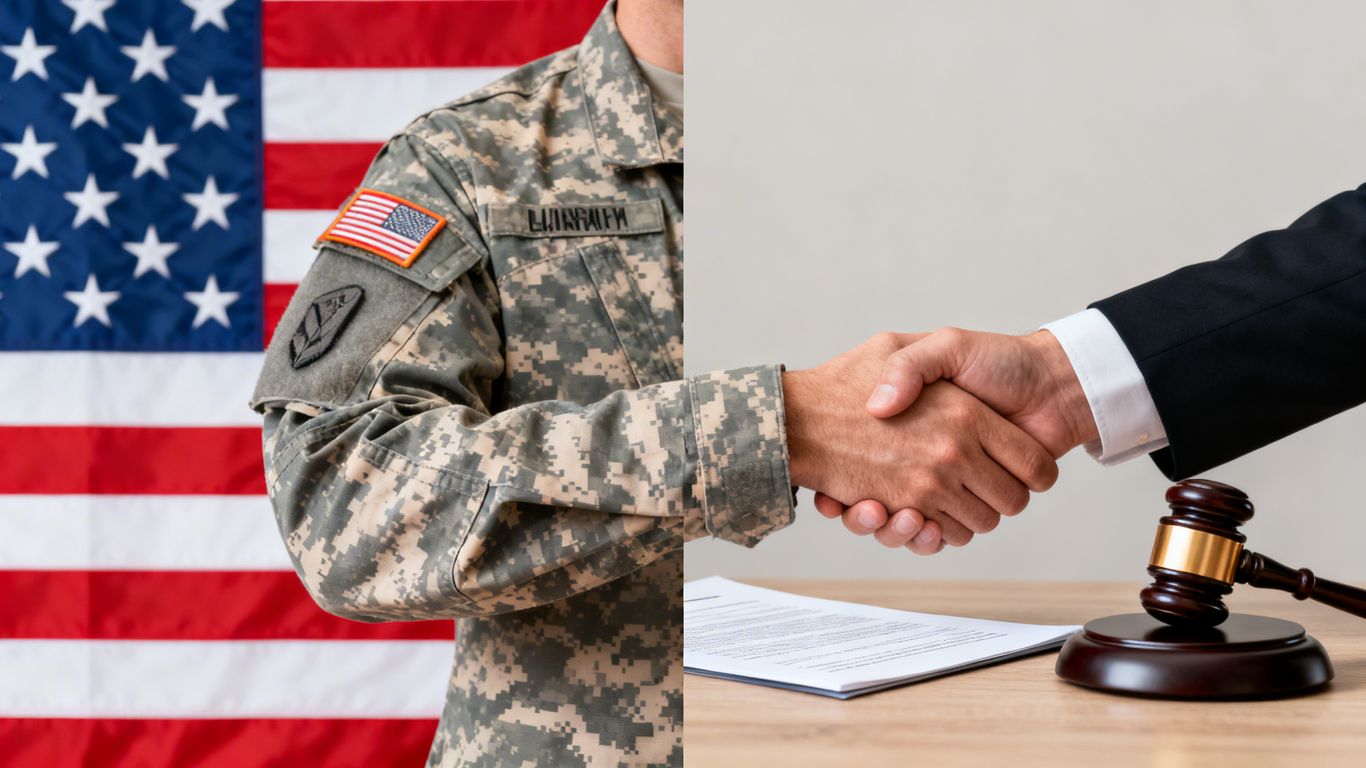
The Nature of VA Liens on Injury Settlements
When a veteran receives medical care for an injury through the Department of Veterans Affairs (VA), and that injury was caused by a third party’s negligence, the VA has a right to seek reimbursement for the costs of that care. This right is established by federal law, specifically the Federal Medical Care Recovery Act (FMCRA). Essentially, if the VA pays for treatment that another party should be responsible for, the government can assert a lien against any settlement or judgment the veteran receives from that responsible party. This means the VA can potentially recover its expenses directly from the settlement funds before the veteran receives their net recovery. It’s important to understand that these liens are not optional; they are a legal obligation that must be addressed.
Federal Authority and Lien Priority
The VA’s right to reimbursement is a federal one, which generally gives it a high priority. In the complex web of potential claims against a settlement, federal liens like those from the VA often take precedence over many other types of liens, with the notable exceptions of Medicare and Medicaid. This federal superiority means that attorneys and veterans must be particularly diligent in identifying and resolving VA liens, as they can significantly impact the final distribution of settlement proceeds. Failing to properly account for these federal rights can lead to serious complications.
Impact on Veteran’s Net Recovery
The existence of a VA lien directly affects how much money a veteran ultimately receives from a personal injury settlement. The VA is entitled to be repaid for the medical care it provided related to the injury. This amount can be substantial, depending on the extent and cost of the treatment. Therefore, before any funds are disbursed to the veteran, the attorney handling the case must first satisfy the VA’s lien. This process often involves:
- Identifying the full extent of the VA’s claim: This requires obtaining detailed records of all medical services provided and their associated costs.
- Negotiating with the VA: In some cases, it may be possible to negotiate a reduction of the lien amount, especially if there are arguments about the necessity or relatedness of certain medical charges.
- Ensuring proper allocation of funds: The settlement agreement must clearly outline how the funds will be distributed, with the VA lien being a primary consideration.
Without careful management, a VA lien can substantially diminish the veteran’s net recovery, leaving them with less compensation than they might have anticipated.
Navigating VA Liens in Personal Injury Litigation
Attorney’s Responsibility in Lien Resolution
When a veteran receives a personal injury settlement, their attorney takes on a significant role in managing any associated VA liens. It’s not just about getting the best settlement amount; it’s also about properly handling the government’s claim for reimbursement. Attorneys must be diligent in identifying and resolving these liens before distributing funds to the veteran. Failure to do so can lead to serious legal trouble for the attorney and financial hardship for the veteran. This involves understanding federal regulations, like the Federal Medical Care Recovery Act (FMCRA), which gives the VA the right to be repaid for medical care provided to veterans injured by a third party. The attorney’s job is to work with the VA to settle this claim, making sure the veteran gets to keep as much of their settlement as possible.
Complexity of Settlement Planning
Planning a settlement involving a VA lien is more complicated than a standard personal injury case. You can’t just agree on a number and pay everyone out. The VA’s claim needs to be factored in from the start. This means:
- Carefully calculating the total amount the VA paid for the veteran’s medical care related to the injury.
- Determining which of those medical charges are actually related to the injury that is the subject of the lawsuit. Sometimes the VA pays for care that isn’t directly tied to the incident.
- Estimating how much of the settlement will likely go towards satisfying the VA’s lien, and what will be left for the veteran.
This requires a detailed review of medical records and billing statements, and often, a good deal of negotiation with the VA itself.
Legal Exposure and Compliance Issues
Attorneys who don’t handle VA liens correctly can face significant legal problems. The VA has strong federal authority, and they expect their liens to be respected. If an attorney pays out a settlement without properly addressing the VA’s claim, they could be held personally liable. This means the attorney might have to pay the VA out of their own pocket. There are strict rules about how and when the VA must be notified of a settlement and how the lien resolution process works. Missing deadlines or failing to follow procedures can lead to:
- Penalties and fines.
- Lawsuits from the VA.
- Damage to the attorney’s professional reputation.
It’s a high-stakes situation where compliance is absolutely key to protecting both the client and the law firm.
Protecting Veteran Interests During Settlement
When a veteran receives a settlement from a personal injury claim, it’s important to remember that the Department of Veterans Affairs (VA) may have a claim against those funds. This claim, known as a VA lien, is the government’s way of recouping the costs of medical care it provided for an injury caused by a third party. Failing to properly address this lien can lead to significant problems for the veteran, potentially reducing the amount of money they actually receive or even creating new financial liabilities. Attorneys have a responsibility to manage these liens carefully to safeguard their client’s recovery.
Avoiding Unexpected Financial Liabilities
Veterans might not realize that medical treatment received through the VA for an injury caused by someone else could eventually need to be paid back. The VA has the right to seek reimbursement from any settlement or judgment obtained from the responsible party. This means that even after a case is settled, the veteran could still owe money to the VA if the lien wasn’t handled correctly. It’s vital to identify any potential VA lien early on. This involves:
- Thoroughly investigating the source of the veteran’s injuries and the medical care received.
- Communicating directly with the VA to understand the exact amount and nature of any asserted lien.
- Considering the full scope of medical treatment provided by the VA that relates to the injury.
Ensuring Timely Fund Distribution
Dealing with VA liens can add considerable time to the settlement process. The VA has specific procedures and timelines for responding to requests and processing lien resolutions. Delays in resolving the lien can hold up the distribution of settlement funds to the veteran, causing financial strain and uncertainty. To prevent this, legal teams should:
- Initiate the lien resolution process as soon as a settlement is reached or a judgment is awarded.
- Provide the VA with all necessary documentation promptly, including settlement agreements and itemized medical bills.
- Maintain consistent communication with the VA to track the progress of the lien resolution and address any issues that arise.
Mitigating Potential Federal Enforcement Actions
If a VA lien is not properly resolved, the federal government has the authority to take action to recover the funds it is owed. This could involve pursuing legal action directly against the veteran or even the attorney involved in the settlement. To avoid such serious consequences, it’s important to:
- Understand the federal laws and regulations governing VA liens, such as the Federal Medical Care Recovery Act (FMCRA).
- Ensure that all communications and negotiations with the VA are conducted in a compliant manner.
- Seek professional assistance if the lien resolution process seems overly complex or if there are disagreements with the VA’s claim. This proactive approach helps protect the veteran from future legal entanglements and financial penalties.
The Administrative Process for VA Lien Resolution
When a veteran receives a settlement from a personal injury case, and the VA has paid for medical treatment related to that injury, the VA has a right to be reimbursed. This process involves a specific administrative procedure that must be followed carefully. It’s not just a matter of sending a bill; there are steps and requirements that both the veteran and their legal counsel need to be aware of to avoid complications.
Early Identification of VA Liens
The first step in managing a VA lien is recognizing its existence as early as possible in the legal process. This often happens during the initial client intake or discovery phase of a personal injury claim. Attorneys should proactively inquire about any medical treatment received through the VA and whether that treatment relates to the injury being claimed. Identifying potential VA liens early is key to preventing surprises later on. This proactive approach allows for better case valuation and settlement planning from the outset. It also helps in gathering the necessary information to initiate contact with the VA promptly.
Proper Notification and Negotiation with the VA
Once a VA lien is identified, the next phase involves formally notifying the VA and beginning the negotiation process. This requires sending specific documentation to the appropriate VA office. The VA will then typically provide a statement of the amount it believes it is owed. This amount is not always final, and there is often room for negotiation. Attorneys can challenge charges for medical care that were not related to the veteran’s injury or seek reductions based on various factors. This stage can be complex, as it involves understanding federal regulations and presenting a compelling case for adjustment of the lien amount. Successfully negotiating with the VA can significantly increase the veteran’s net recovery from their settlement. For guidance on making payments, veterans can refer to information on how to pay VA debts.
Timely Submission of Documentation
Throughout the lien resolution process, the timely and accurate submission of documentation is paramount. The VA requires specific forms and evidence to process lien claims and any requests for reduction or waiver. This can include itemized medical bills, proof of settlement, and any supporting documents that justify a reduction or waiver of the lien. Missing deadlines or submitting incomplete information can lead to delays, increased liability, or even the VA pursuing direct collection from the veteran. A meticulous approach to documentation ensures that the administrative process moves forward smoothly and that the veteran’s interests are protected.
Distinguishing Different Types of VA Benefits
It’s really important for veterans to know that not all VA benefits are the same, especially when you’re looking at how they might interact with personal injury settlements or other financial matters. Thinking about VA disability compensation versus other types of benefits can save a lot of headaches down the road.
VA Disability Compensation vs. Other Benefits
VA disability compensation is specifically for veterans who have health conditions that are connected to their military service. These benefits are meant to replace income lost because of a disability. This compensation is generally not taxable, which is a big difference compared to some other forms of income or retirement pay. It’s also protected under federal law from being divided in divorce proceedings, though there are exceptions for child support and alimony. Understanding this distinction is key because it affects how these funds are treated legally and financially.
Impact of Pension and Allowance Benefits on Settlements
Beyond disability compensation, the VA offers other benefits like pension and various allowances. Pension, for instance, is a needs-based benefit for wartime veterans with limited income and significant non-service-connected disabilities. Unlike disability compensation, pension amounts can sometimes be affected by other income sources, including settlement proceeds. While pension itself isn’t typically subject to a VA lien in the same way disability compensation might be, receiving a large settlement could potentially impact future pension eligibility or amounts if it significantly increases a veteran’s income or assets. It’s a good idea to check with the VA about how any settlement might affect these specific benefits.
VA Liens Compared to Tricare and Private Claims
When we talk about VA liens, we’re usually referring to the VA’s right to recover payments it made for treatment related to an injury that is also covered by a personal injury settlement. This is distinct from programs like Tricare, which is health insurance for active-duty military and their families. Tricare might have its own subrogation rights, but they operate under different rules than VA liens. Similarly, private health insurance also has subrogation clauses. The VA’s authority stems from federal law, giving its liens a specific priority. It’s crucial to identify all potential payers and their rights early on to avoid issues when a settlement is reached. This includes understanding that the VA’s claim is for benefits it provided, and it has a specific legal standing to seek reimbursement from a third-party settlement that covers those same medical costs. For more information on VA disability benefits, you can look into VA disability benefits.
Strategies for Negotiating VA Lien Reductions
Negotiating a VA lien on a personal injury settlement is never just a simple back-and-forth. A veteran’s net recovery can really take a hit if the full VA claim goes unchallenged. For anyone representing a veteran, or even a veteran handling their claim, there are a few hands-on strategies that often change the bottom line by thousands of dollars.
Challenging Unrelated Medical Charges
Believe it or not, the VA sometimes includes charges in its lien that have nothing to do with the specific injury behind the settlement. Reviewing the VA’s bill line-by-line is worth the effort. Here’s how to approach it:
- Gather all relevant medical records and compare them with the expenses on the VA’s lien.
- Identify treatments or services unrelated to the specific injury or incident connected with the lawsuit.
- Dispute these unrelated charges directly with the VA, backing up requests with documentation.
Meticulous record-keeping is important at this stage and can make a strong difference during negotiations, as highlighted in careful lien negotiation records.
Requesting Compromise Reductions
The VA sometimes agrees to reduce its lien if certain factors are made clear. Three main arguments carry weight:
- Financial hardship: If paying the lien would leave the veteran struggling, make that case clearly with supporting financial information.
- Settlement limitations: If the total recovery is low compared to damages or other liens take priority, show the VA how much is realistically available.
- Case complexity: Point out weaknesses in liability, insurance coverage issues, or anything else that reduced the settlement amount.
Put all compromise requests in writing and keep track of back-and-forth conversations with the VA throughout.
Filing for Waivers and Hardship
Sometimes, even after reductions, the lien amount is still too high. In very specific circumstances, a formal waiver can be requested. This means asking the VA to forgive all—or part—of the lien based on severe need or exceptional hardship. This is more than just being tight on cash; think ongoing disability, inability to work, or heavy medical bills. To support a waiver:
- Properly complete all paperwork required by the VA.
- Attach financial statements, medical evidence, and a written explanation of hardship.
- Be ready for a process that takes time—sometimes 60 days or more before a decision.
Throughout all these steps, the main idea is to be thorough and persistent. Document everything, follow up often, and consider working with experts who know how VA liens work in injury settlements. With the right negotiation strategy, it’s entirely possible to reduce—or even eliminate—some VA lien obligations, helping veterans keep more of their well-deserved settlement.
Interaction of VA Disability Benefits with Other Financial Obligations
VA Disability Benefits and Divorce Proceedings
When a veteran goes through a divorce, their VA disability benefits are generally protected from being divided as marital property. This is because these benefits are intended to compensate for a service-connected disability and are not considered an asset that can be split between former spouses. However, it’s important for veterans to keep these funds separate from joint marital accounts. Mixing them could lead to confusion and potential claims that they are marital assets, even though federal law aims to prevent this.
Garnishment for Child Support and Alimony
While VA disability benefits are protected from division in divorce, they are not entirely immune from legal obligations. Federal law permits a portion of these benefits to be garnished to satisfy child support and alimony payments. The VA can withhold a percentage of the veteran’s monthly compensation, typically between 20% and 50%, depending on the number of legal dependents. This mechanism ensures that veterans meet their financial responsibilities to their former spouses and children. It’s a complex area, and veterans facing such situations should seek legal counsel to understand their specific obligations and the VA’s procedures.
Apportionment of Disability Compensation
In certain circumstances, a portion of a veteran’s disability compensation can be apportioned to a former spouse, child, or even a dependent parent. This usually happens when there’s a demonstrated financial need and the veteran is not otherwise meeting their support obligations. The VA will review the financial situations of both the veteran and the applicant to determine if apportionment is appropriate and to what extent. This process is distinct from garnishment and involves a specific VA application and review to ensure fairness and address genuine financial hardship.





