
Cataract and Eye Disease Specialists and Options for Custom LASIK Surgery
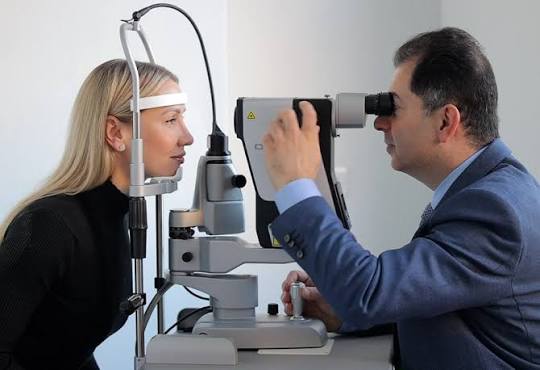
When vision begins to blur, or the clarity of colors starts to dim, the everyday experience of living changes in subtle, often frustrating ways. You might notice that street signs seem a bit hazier during your evening commute, or that reading the fine print on a menu requires more light than it once did. These shifts are common, and they are often the first indicators that it is time to consult with experts who understand the complex and delicate nature of ocular health.
For many, the first step is determining whether their vision changes are related to common conditions like cataracts or if they are candidates for refractive procedures such as custom LASIK surgery. Navigating these options requires understanding how different eye structures function and what modern medical tools can achieve.
Why Evaluating Vision Changes Early Matters
The health of the eye is closely linked to one’s overall quality of life. Because the eye is a complex organ with many interdependent parts, symptoms like persistent blurriness, light sensitivity, or trouble seeing in low-light conditions can stem from several different sources. A common challenge is that these symptoms often overlap.
A person might assume that their vision decline is simply a result of aging, perhaps overlooking the presence of cataracts—a natural, gradual clouding of the eye’s internal lens. Alternatively, someone struggling with the inconvenience of glasses or contact lenses might be interested in corrective options without realizing that a comprehensive assessment of their cornea and overall eye health is a necessary prerequisite.
Misunderstanding the source of vision issues can lead to delays in care or the pursuit of a procedure that may not be the most appropriate fit for an individual’s specific needs. A thorough evaluation by cataract and eye disease specialists is generally the most effective way to distinguish between different types of vision impairment and to map out a path forward that focuses on long-term ocular health.
How the Diagnostic Process Typically Works
A professional assessment for vision health is usually a multi-layered process. Because the eye is unique, there is no single test that provides a complete picture; instead, providers often use a combination of diagnostic techniques.
When you visit a specialist, the initial phases typically involve mapping the surface of the cornea and measuring the overall refractive error of the eye. If the focus of the appointment is on potential refractive correction, the provider will analyze the thickness, curvature, and health of the corneal tissue. This is a critical safety step, as the suitability for vision correction procedures depends on these precise physical characteristics.
When the focus is on conditions like cataracts, the assessment shifts toward examining the clarity of the lens behind the pupil. This often involves specialized lighting and imaging to determine how much the clouding is interfering with daily activities. By systematically ruling out other eye diseases, such as those affecting the retina or the pressure within the eye, the specialist can provide a clear explanation of what is happening and what options, if any, are available to address it.
Key Factors That Shape Your Surgical Options
Deciding on a vision improvement strategy involves weighing several personal and anatomical factors. For those considering custom LASIK surgery, the primary consideration is whether the cornea has the structural integrity to support the reshaping process. Every eye is unique, and modern technology now allows for highly personalized treatments that take into account the specific topographical map of an individual’s eye.
When addressing cataracts, the decision-making process is different. The goal is typically to remove the clouded lens and replace it with a clear, artificial version. Advances in this field have expanded the options for these replacement lenses, which can sometimes provide patients with a range of focus they did not have previously.
A few factors that typically shape these outcomes include:
- Corneal health: The baseline stability and thickness of the cornea are fundamental to many procedures.
- Lifestyle needs: Different individuals have different visual demands, whether for night driving, professional work, or outdoor activities.
- Overall ocular history: Any history of prior injury or existing chronic eye health conditions can influence which techniques are the most advisable.
- The presence of secondary conditions: Managing dry eye or other surface issues is often part of the preparation for any significant intervention.
Practical Ways to Approach Your Eye Health Decisions
The most productive approach to eye care is one that prioritizes open communication with a trusted professional. Rather than searching for a “quick fix” or assuming a specific procedure is the right answer, start by preparing for a comprehensive consultation.
Ask your provider to explain the mechanisms behind your vision changes. If you are discussing custom LASIK surgery, ask about how the technology accounts for the unique curvature of your eye and what the recovery process typically entails for someone with your specific visual profile. If you are visiting cataract and eye disease specialists, inquire about the different types of lens options and how they might impact your vision in various environments.
Good providers are typically willing to walk you through the trade-offs of different approaches. They should be able to provide clear information on what to expect, how to manage expectations regarding visual outcomes, and what symptoms to watch for during the healing process. When a provider takes the time to address these questions, it often indicates a patient-centered philosophy that values long-term results over immediate convenience.
Ultimately, the goal of modern vision care is to provide you with the information you need to make an informed choice. Your eyesight is a precious and complex asset, and taking the time to consult with qualified, experienced specialists is the most sensible way to ensure you are selecting the path that best serves your long-term health and visual clarity. Taking a proactive role in your own care, asking informed questions, and maintaining a steady relationship with your eye care team are the best ways to navigate the road to better vision.





