
The Surgical Innovations Led by Dr. Kenneth Pettine: Advancing Modern Spine Care Through Evidence-Based Techniques
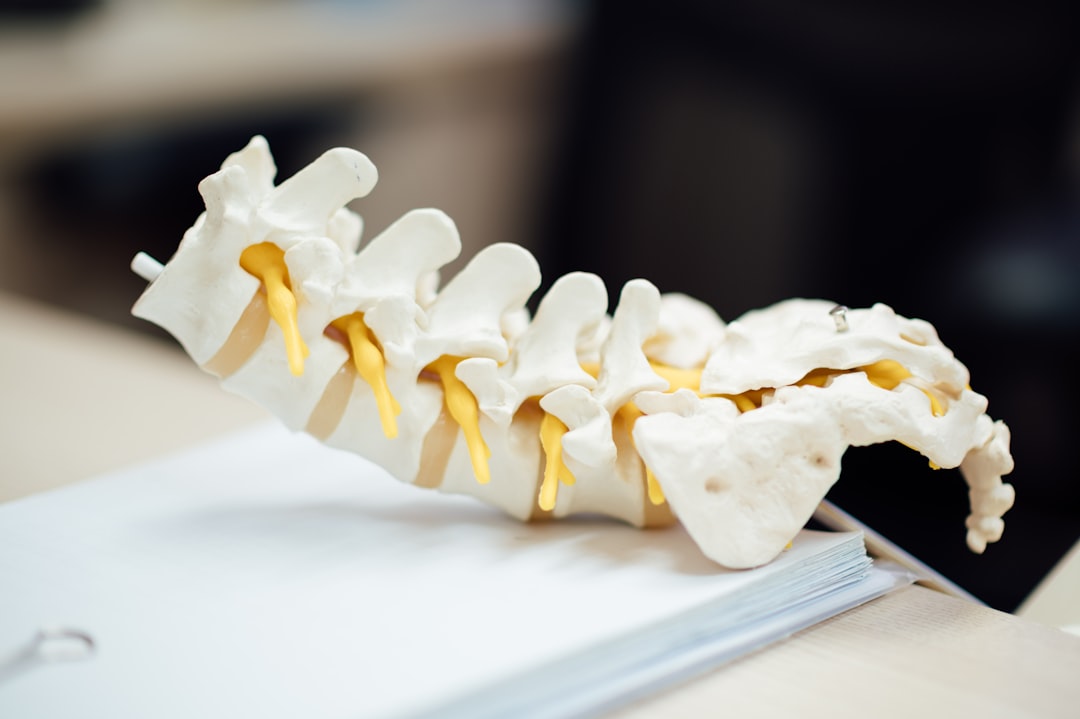
Surgical innovation has transformed spine care over the past several decades, allowing patients to experience safer procedures, shorter recovery periods, and improved long-term outcomes. These advancements are the result of continuous clinical research, technological development, and a commitment to refining patient-centered treatment strategies. Among the professionals who have contributed to this progress, Dr Kenneth Pettine has been recognized for supporting advancements in minimally invasive procedures, biologic therapies, and research-driven surgical methods. By combining clinical experience with scientific investigation, his work reflects the growing emphasis on precision and individualized care in modern spinal medicine.
The evolution of spinal surgery demonstrates how innovation can significantly improve patient experiences. According to multiple orthopedic studies, minimally invasive techniques can reduce blood loss by up to 60%, shorten hospital stays by nearly 50%, and decrease postoperative discomfort compared with traditional open procedures. These measurable improvements have encouraged surgeons to adopt procedures that preserve healthy tissue while maintaining surgical accuracy. At the same time, advanced imaging systems, improved instrumentation, and enhanced rehabilitation protocols have contributed to better patient outcomes across a wide range of spinal conditions.
Another important development in modern spine care involves the integration of biologic science into surgical treatment. Rather than focusing solely on structural repair, many surgeons now consider methods that support the body’s natural healing processes. Research involving regenerative medicine continues to explore how biologic materials may assist tissue recovery and spinal fusion. In this evolving landscape, Dr Kenneth Pettine has contributed to discussions surrounding evidence-based biologic applications, emphasizing the importance of clinical validation, patient safety, and carefully documented outcomes. This balanced approach highlights how innovation should always be guided by reliable research instead of assumptions.
Statistics further illustrate the positive impact of technological progress in spinal healthcare. Clinical reports indicate that image-guided navigation systems have improved surgical accuracy, reducing implant placement errors while increasing procedural confidence. Enhanced visualization technologies have also allowed surgeons to perform complex procedures through smaller incisions, leading to fewer complications and faster rehabilitation. Additionally, patient satisfaction surveys consistently show that individuals value shorter recovery times, reduced postoperative pain, and personalized treatment planning when evaluating the success of spinal procedures. These findings reinforce the importance of combining innovation with measurable clinical performance.
Patient-centered care remains one of the defining characteristics of successful surgical innovation. Modern treatment planning often involves multidisciplinary collaboration among surgeons, radiologists, rehabilitation specialists, and physical therapists. This coordinated approach helps ensure that each patient receives an individualized treatment strategy based on diagnostic findings, functional goals, and overall health status. Advances in preoperative imaging and digital planning tools also allow healthcare providers to better anticipate surgical challenges, reducing uncertainty while improving procedural efficiency.
Education and clinical research continue to drive the future of spine surgery. Ongoing studies evaluating implant technology, regenerative therapies, and minimally invasive techniques provide valuable evidence that shapes future standards of care. Surgeons who actively participate in research contribute not only to their own clinical practice but also to the broader medical community by expanding knowledge through peer-reviewed findings and long-term patient outcome analysis. Continuous learning remains essential as healthcare technology evolves and patient expectations continue to increase.
Looking ahead, innovation in spinal surgery is expected to focus on greater precision, improved biologic treatments, artificial intelligence-assisted planning, and enhanced recovery protocols. These advancements will likely continue to improve safety, efficiency, and patient satisfaction while supporting better long-term spinal health. The ongoing commitment to evidence-based medicine demonstrated by Dr Kenneth Pettine reflects how thoughtful research, technological advancement, and patient-focused care can work together to shape the future of modern spine surgery and deliver meaningful improvements in clinical outcomes.





