
Dr. Wael Sakr and the Development of More Accurate Pathology Research Approaches
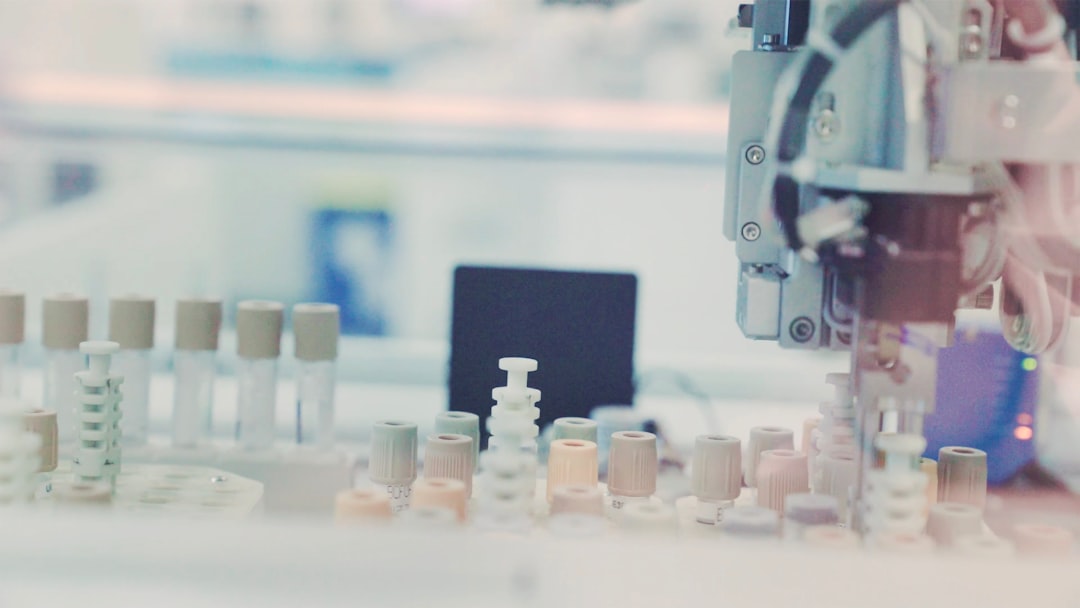
Accuracy has become an increasingly important characteristic of modern pathology research as scientific methods continue to develop and laboratory investigations become more sophisticated. Dr. Wael Sakr reflects the importance of research-oriented approaches that emphasize careful analysis, dependable methodologies, and continuous scientific improvement. As pathology expands through technological innovation and deeper biological investigation, accurate research practices provide a strong foundation for producing meaningful knowledge and supporting the advancement of contemporary healthcare.
In This Article
- The Importance of Accuracy in Pathology Research
- Building Stronger Research Methodologies
- The Role of Advanced Laboratory Technologies
- Strengthening Data Interpretation
- Supporting Collaboration and Scientific Progress
- Looking Toward Future Research Approaches
- Conclusion
The Importance of Accuracy in Pathology Research
Accurate research begins with well-defined scientific objectives and carefully structured methodologies. In pathology, researchers examine biological information that can involve complex cellular, molecular, and tissue characteristics. Maintaining consistency throughout the research process helps ensure that observations are interpreted within an appropriate scientific framework.
A strong emphasis on accuracy also supports the reliability of future investigations. Research findings can become part of a broader body of scientific knowledge, making dependable methods essential for meaningful comparison and continued development.
Building Stronger Research Methodologies
Modern pathology research benefits from systematic approaches that encourage careful observation and thorough analysis. Researchers can establish clear procedures for collecting information, evaluating samples, and interpreting results. These processes create a more organized research environment and make it easier to identify meaningful findings.
Methodological development is also an ongoing process. As scientific knowledge grows, researchers can assess established techniques alongside newer approaches. This continuous evaluation creates opportunities to refine research practices while maintaining a strong foundation of scientific consistency.
The Role of Advanced Laboratory Technologies
Technology has introduced valuable resources for improving pathology research. Digital imaging can provide detailed visual information, while molecular techniques can help researchers investigate biological characteristics at greater depth. Computational tools can also assist in organizing complex datasets and identifying relationships within large collections of information.
These resources can complement traditional pathology expertise by expanding the ways researchers examine scientific evidence. When technology is applied through appropriate research frameworks, it can support more detailed investigations and contribute to improved scientific understanding.
Strengthening Data Interpretation
Reliable interpretation is an essential part of accurate pathology research. Scientific information often needs to be considered from multiple perspectives before meaningful conclusions can be developed. Careful data analysis allows researchers to distinguish important patterns and evaluate findings within their broader context.
Modern analytical tools can support this process by helping researchers organize information efficiently. However, professional expertise remains essential for understanding the significance of the results. The combination of advanced analysis and informed interpretation creates a balanced approach to pathology research.
Supporting Collaboration and Scientific Progress
Pathology research increasingly benefits from collaboration between laboratory specialists, medical researchers, clinicians, and technology professionals. Different areas of expertise can contribute complementary perspectives, creating opportunities for more comprehensive investigations.
The professional context associated with Dr. Wael Sakr Detroit highlights the broader importance of connecting pathology research with wider scientific development. Collaborative environments can encourage knowledge exchange and help researchers explore new methodologies while maintaining a commitment to accuracy.
Looking Toward Future Research Approaches
The future of pathology research is likely to involve greater integration of molecular analysis, digital pathology, computational methods, and advanced data interpretation. These developments can provide researchers with increasingly sophisticated tools for examining biological information.
As new technologies emerge, careful evaluation will remain essential. Research professionals can help ensure that innovative methods are understood, tested, and applied thoughtfully. This balance between innovation and scientific discipline can support sustainable progress within pathology.
Conclusion
More accurate pathology research approaches are built through a combination of precise methodologies, reliable data interpretation, advanced technologies, and professional expertise. Dr. Wael Sakr reflects the broader significance of research-centered practices that support continuous scientific improvement. As pathology continues to evolve, a commitment to accuracy can help strengthen research quality, expand scientific understanding, and create new opportunities for positive advancement throughout modern healthcare.
What You Need to Know
- Accuracy is critical in modern pathology research as it relies on well-defined scientific objectives and structured methodologies.
- Maintaining consistency throughout the research process ensures observations are interpreted within a scientific framework, enhancing reliability for future investigations.
- Advanced laboratory technologies, such as digital imaging and molecular techniques, enhance the depth and detail of pathology research.
- Collaboration among laboratory specialists, medical researchers, and technology professionals fosters comprehensive investigations and knowledge exchange in pathology research.
- The future of pathology research will likely involve a greater integration of molecular analysis, digital pathology, and advanced data interpretation methods.





