
Dr. Steven Shannon – Perspectives on Innovation and Progress in Orthopedic Trauma
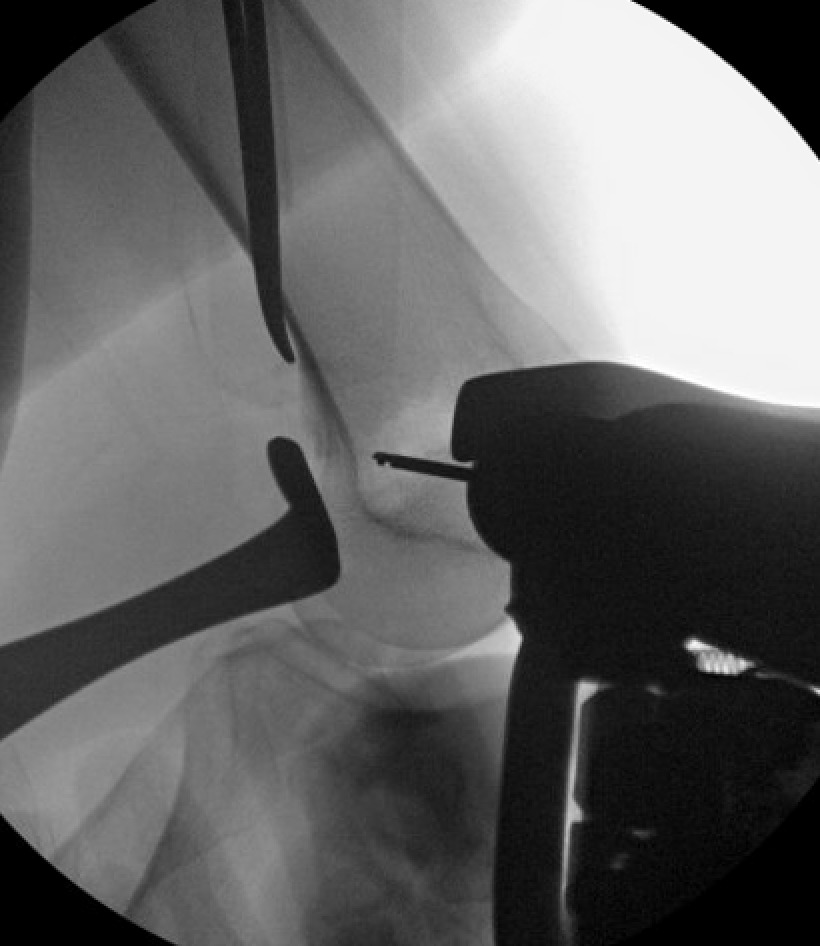
Orthopedic trauma care continues to change as medical professionals explore improved ways to diagnose injuries, provide treatment, and support recovery. Dr Steven Shannon Nevada represents a broader perspective on how expertise, innovation, and continued learning can contribute to progress in orthopedic trauma. Modern care requires professionals to balance new possibilities with established knowledge while maintaining a strong focus on patient safety and individual needs.
In This Article
- The Role of Innovation
- Combining Experience With New Ideas
- Patient-Centered Progress
- Advancing Recovery and Rehabilitation
- The Importance of Continuous Learning
- A Forward-Looking Perspective
Traumatic injuries can affect bones, joints, movement, strength, and independence. Because injuries can vary significantly, treatment often requires careful assessment and thoughtful planning. Progress in the field therefore involves not only developing new techniques but also improving the way professionals understand and respond to individual patient circumstances.
The Role of Innovation
Innovation can provide valuable opportunities for orthopedic trauma care. Developments in diagnostic methods, imaging, surgical techniques, rehabilitation, and patient monitoring can help professionals gather more information and consider different treatment approaches.
However, innovation is most meaningful when it addresses genuine patient needs. New technologies and techniques should be evaluated carefully before being incorporated into treatment. Responsible advancement requires consideration of safety, effectiveness, practicality, and the circumstances of each patient.
Combining Experience With New Ideas
Experience remains an important part of medical progress. Professionals develop valuable knowledge by working with different injuries and learning from previous cases. This experience can strengthen decision-making and help them recognize challenges that may not be immediately obvious.
Dr Steven Shannon Nevada reflects the importance of combining experience with an openness to new ideas. Established knowledge provides a strong foundation, while innovation can introduce new possibilities. When these elements work together, professionals can consider advances carefully without losing sight of fundamental principles of patient care.
Patient-Centered Progress
Progress in orthopedic trauma should ultimately benefit patients. Injuries can have effects that extend beyond physical symptoms, influencing work, family responsibilities, recreation, mobility, and independence. A comprehensive approach considers these factors when developing a treatment and recovery plan.
Communication is an important part of patient-centered care. Patients need understandable information about their condition and the general stages of treatment and recovery. Listening to their concerns can also help create a more supportive experience and encourage active participation in appropriate rehabilitation.
Advancing Recovery and Rehabilitation
Recovery is an essential part of orthopedic trauma care. Treatment may address an immediate injury, but patients can require additional support as they work to regain strength, flexibility, movement, and confidence.
Rehabilitation can be adjusted according to individual progress. Some patients may recover at a different pace than others, making continued observation important. A flexible approach can help ensure that recovery remains responsive to changing needs rather than following a rigid path.
The Importance of Continuous Learning
Medical progress depends on professionals who continue developing their knowledge. Research and new clinical information can introduce ideas that influence existing practices. Continuous education allows professionals to evaluate these developments and determine how they may contribute to better care.
Learning from experience is equally valuable. Reviewing outcomes and reflecting on difficult situations can reveal opportunities for improvement. This process can strengthen professional judgment and encourage a culture of continuous development.
A Forward-Looking Perspective
The future of orthopedic trauma will likely be shaped by innovation, research, professional expertise, technology, and increasingly individualized patient care. Progress will require a careful balance between adopting useful developments and preserving the principles that support safe and responsible treatment.
The perspective associated with Dr Steven Shannon Nevada highlights how innovation can work alongside expertise to advance orthopedic trauma care. Meaningful progress is not simply defined by new technology or procedures; it is also reflected in better decision-making, stronger communication, improved recovery strategies, and greater attention to individual patient needs. By combining responsible innovation with experience, education, and patient-centered thinking, orthopedic trauma care can continue moving toward a future that is more effective, adaptable, and supportive.
What You Need to Know
- Orthopedic trauma care is evolving through improved diagnosis, treatment, and recovery support as represented by Dr. Steven Shannon Nevada.
- Innovation in diagnostic methods, surgical techniques, and rehabilitation can enhance orthopedic trauma care, provided it meets genuine patient needs.
- Patient-centered care involves understanding how injuries affect not only physical health but also work, family, and independence, requiring clear communication with patients.
- Rehabilitation in orthopedic trauma care must be adaptable to each patient’s recovery pace, rather than following a rigid protocol.
- Continuous learning and professional development are crucial for improving orthopedic trauma care through new research and reflection on outcomes.
- The future of orthopedic trauma will focus on balancing innovation with established principles to improve individualized patient care.





