
Self-Driving Suite: Hyundai’s Smart Move for 2029
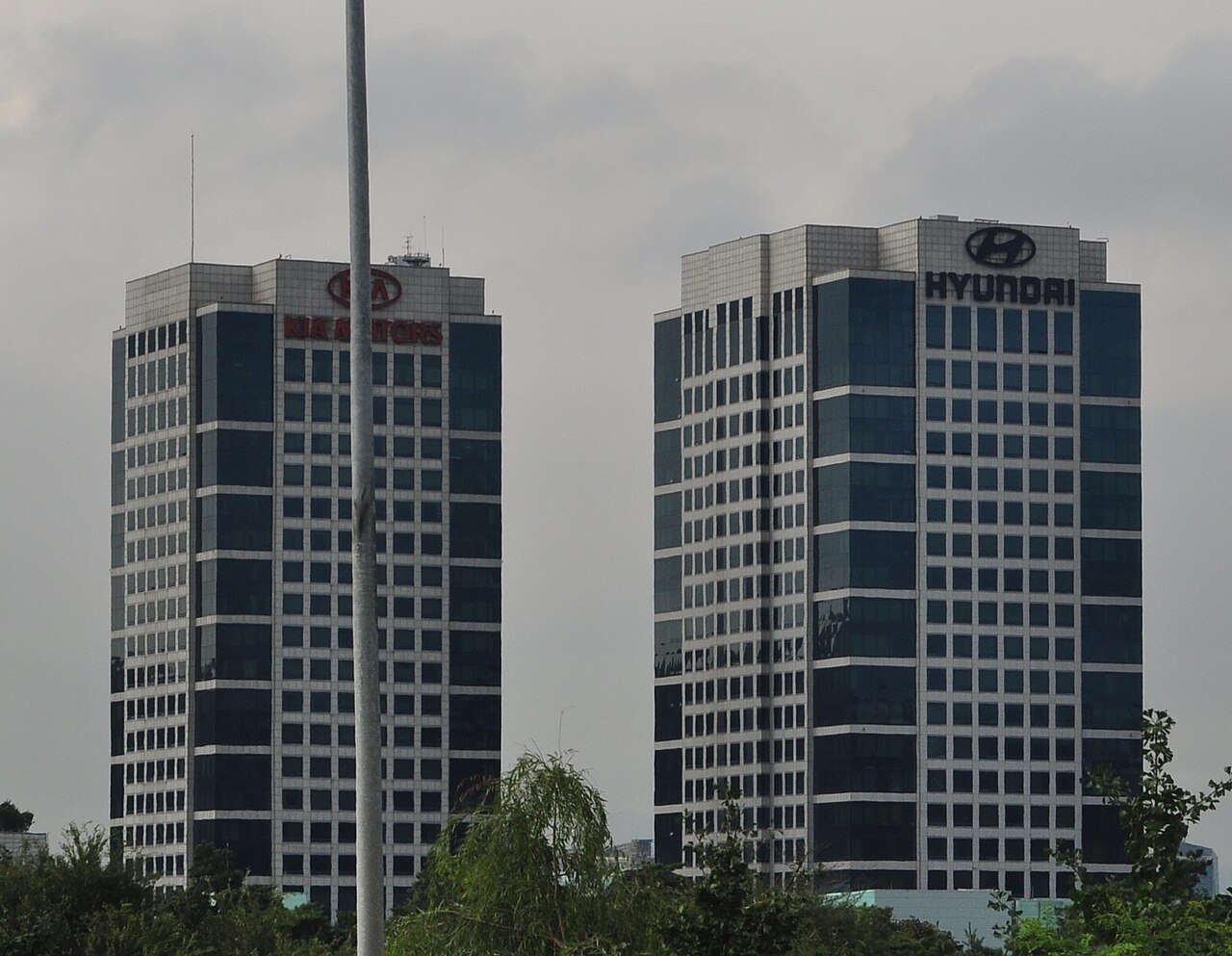
The self-driving suite from Hyundai aims to revolutionize the driving experience by 2029. This initiative showcases Hyundai’s commitment to innovation in autonomous vehicles.
Hyundai’s Vision for Autonomous Driving
Hyundai is poised to make a significant impact in the automotive industry with the introduction of its self-driving suite, set to launch in 2029. This ambitious vision seeks to revolutionize personal transportation by integrating advanced technology into everyday vehicles.
The company is not only focusing on the development of autonomous driving capabilities but is also committed to enhancing overall safety and efficiency on the roads. Key components of Hyundai’s strategy include:
- Innovative Technology: The self-driving suite will incorporate cutting-edge sensors and artificial intelligence systems to ensure seamless navigation.
- Collaboration: Hyundai plans to partner with technology firms and research institutions to accelerate the development of its autonomous features.
- User-Centric Design: The suite aims to prioritize driver and passenger comfort, ensuring that the technology enhances the driving experience.
With these initiatives, Hyundai’s vision for autonomous driving reflects a deep understanding of future consumer needs and the evolving landscape of transportation. As the company prepares for this transformative shift, the self-driving suite could redefine mobility and set new standards for the industry.
What to Expect from the Self-Driving Suite
As Hyundai gears up for the launch of its self-driving suite in 2029, consumers can expect a transformative experience in the realm of autonomous vehicles. This innovative suite is designed to enhance safety, efficiency, and user convenience, marking a significant milestone in the automotive industry.
Key features anticipated in Hyundai’s self-driving suite include:
- Advanced Safety Systems: The suite will incorporate cutting-edge sensor technology and AI-driven algorithms to ensure a safe driving experience.
- Seamless Connectivity: Expect integration with smart city infrastructure, allowing vehicles to communicate with traffic lights, other cars, and even pedestrians.
- User-Centric Design: Hyundai aims to provide a customizable interface that caters to individual preferences, making each journey unique.
- Over-the-Air Updates: The self-driving suite will receive regular updates, ensuring that the technology remains at the forefront of automotive advancements.
With these features, Hyundai’s self-driving suite is set to redefine how we perceive mobility, offering an exciting glimpse into the future of transportation. As 2029 approaches, anticipation continues to grow among enthusiasts and potential users alike.
The Benefits of Hyundai’s Self-Driving Technology
Hyundai’s self-driving suite promises to revolutionize the automotive landscape by introducing a range of benefits that cater to both consumers and the broader society. As the company gears up for its launch in 2029, several key advantages of this technology stand out.
- Enhanced Safety: With advanced sensors and AI algorithms, the self-driving suite is designed to minimize human error, significantly reducing the likelihood of accidents on the road.
- Increased Accessibility: This technology will provide mobility options for individuals who are unable to drive, such as the elderly and disabled, fostering greater independence.
- Traffic Management: By communicating with other vehicles and traffic infrastructure, the self-driving suite can optimize traffic flow, leading to shorter commute times and less congestion.
- Environmental Impact: The integration of autonomous vehicles can lead to more efficient driving patterns, which may contribute to lower emissions and reduced fuel consumption.
- Innovative User Experience: Passengers will have the opportunity to engage in various activities during their journeys, making travel more enjoyable and productive.
Overall, Hyundai’s self-driving suite is not just a technological advancement; it represents a significant step towards smarter and safer urban living.
Challenges Ahead for Hyundai’s Initiative
As Hyundai embarks on its ambitious journey to launch a self-driving suite by 2029, several challenges loom on the horizon. The automotive industry is rapidly evolving, and Hyundai must navigate a complex landscape filled with technological, regulatory, and consumer acceptance hurdles.
One of the primary challenges is ensuring the safety and reliability of autonomous vehicles. Public trust in self-driving technology is paramount, and any incidents involving autonomous cars could hinder progress. Hyundai will need to invest heavily in rigorous testing and validation processes to alleviate safety concerns.
Another significant obstacle is the ever-changing regulatory environment. Different regions have varying rules regarding autonomous vehicles, and Hyundai will have to engage with policymakers to shape a favorable regulatory framework. This includes advocating for clear guidelines that support the deployment of their self-driving suite.
Furthermore, the competition in the autonomous vehicle market is fierce. Established players and new startups alike are racing to develop their own technologies. To maintain a competitive edge, Hyundai must innovate continuously and potentially collaborate with tech companies to enhance their self-driving suite.
In conclusion, while Hyundai’s self-driving initiative is promising, addressing these challenges will be crucial for its success in the coming years.
Comparing Hyundai’s Suite to Competitors
As Hyundai gears up to launch its self-driving suite in 2029, comparisons with competitors in the autonomous vehicle market become inevitable. Leading players such as Tesla, Waymo, and Ford have already made significant strides in developing their own autonomous technologies.
One key difference between Hyundai’s self-driving suite and those of its rivals is the emphasis on a user-friendly interface. While Tesla’s Full Self-Driving often garners attention for its advanced features, Hyundai aims to create an experience that is both intuitive and accessible for all users.
Another area where Hyundai seeks to differentiate itself is in safety and reliability. Competitors have faced criticism over their systems’ performance in real-world scenarios. Hyundai’s self-driving suite is being designed with a robust safety protocol that prioritizes passenger and pedestrian safety.
Moreover, the integration of Hyundai’s existing technologies, such as its SmartSense suite, may provide a seamless transition for consumers who are already familiar with the brand. This strategic approach could enable Hyundai to capture market share as the demand for autonomous vehicles continues to grow.
Ultimately, as Hyundai prepares to unveil its self-driving suite, its ability to stand out in a competitive landscape will be crucial to its success in the autonomous vehicle sector.
via Wikimedia Commons





