
Electric Vehicle Adoption: What’s the Real Challenge in Assam?
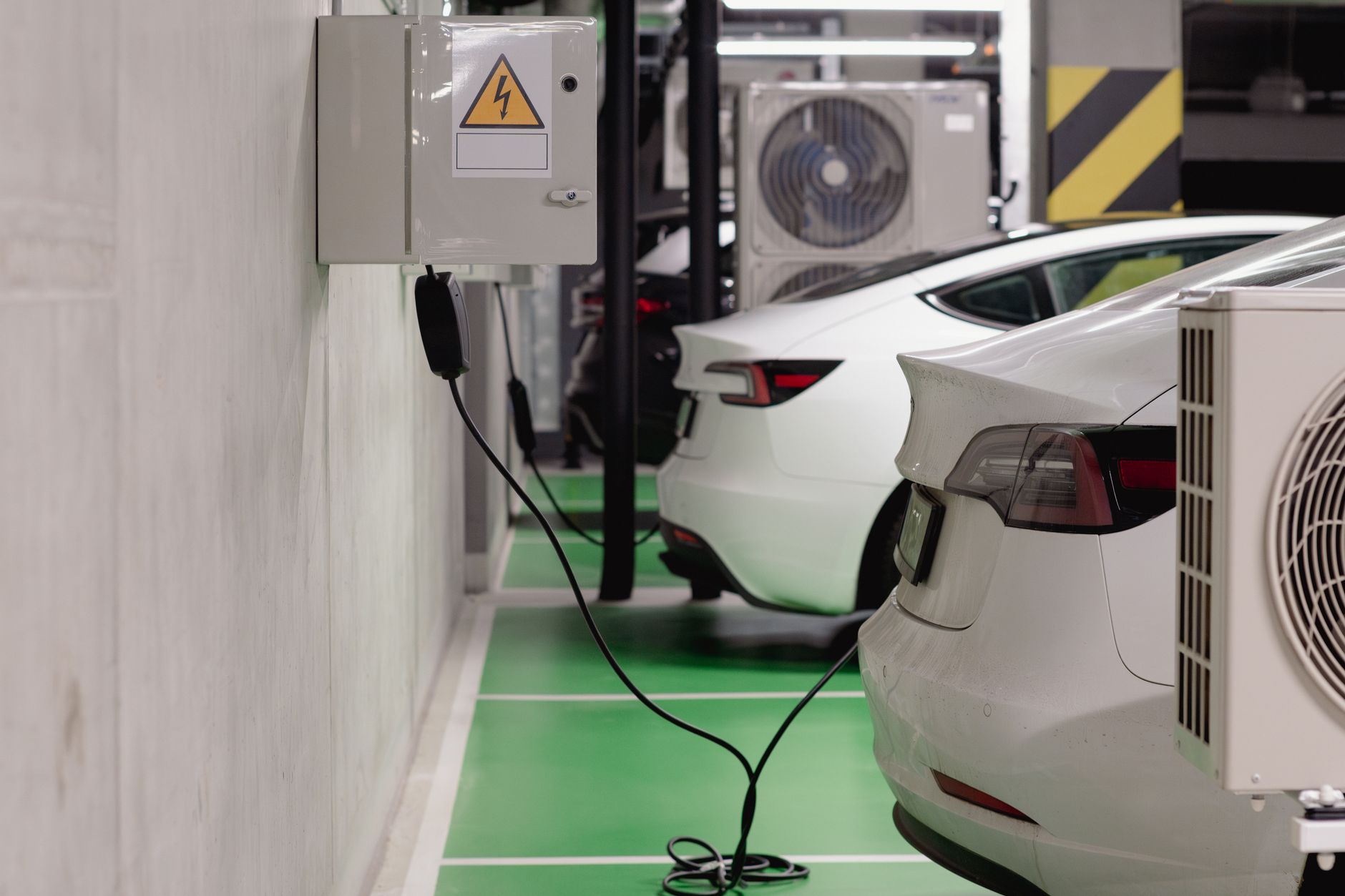
Electric Vehicle Adoption is currently a pressing issue in Assam, with carmakers urging for improved policies and infrastructure. The region is falling behind in the transition to electric mobility, raising concerns among industry stakeholders.
Current State of Electric Vehicle Adoption in Assam
The current state of electric vehicle adoption in Assam reveals significant challenges that hinder progress in the region. Despite the global push towards sustainable transportation, Assam has been slow to embrace electric vehicles (EVs). A lack of adequate infrastructure, such as charging stations, has contributed to the hesitancy among potential EV buyers.
Moreover, the local government has yet to implement robust policies that incentivize the transition to electric mobility. The following factors highlight the current situation:
- Limited Charging Infrastructure: The scarcity of charging points makes it difficult for EV owners to travel long distances.
- High Initial Costs: The upfront price of electric vehicles remains a barrier for many consumers.
- Awareness and Education: There is a general lack of awareness regarding the benefits of electric vehicles.
As carmakers seek lucrative policies, the need for a comprehensive strategy to boost electric vehicle adoption becomes more pressing.
Challenges Facing Electric Vehicle Infrastructure
The adoption of electric vehicles (EVs) in Assam faces several significant challenges that hinder progress. One of the primary issues is the lack of adequate charging infrastructure across the state. Without sufficient charging stations, potential EV owners may hesitate to transition from conventional vehicles.
Moreover, the existing power supply in many regions of Assam is inconsistent, making it difficult to support the demands of an expanding EV market. The following challenges need to be addressed:
- Insufficient Charging Stations: Limited availability of charging points discourages potential buyers.
- Inconsistent Power Supply: Regular power outages can undermine the reliability of EVs.
- High Initial Costs: The price of electric vehicles remains a barrier for many consumers.
- Lack of Awareness: Many residents are unaware of the benefits of electric vehicle adoption.
Addressing these issues is crucial for promoting electric vehicle adoption in Assam and ensuring a sustainable future for transportation in the region.
Carmakers’ Call for Better Policies
As the push for Electric Vehicle Adoption gains momentum, carmakers are urging the Assam government to create more favorable policies that can stimulate growth in the electric vehicle market. Industry leaders highlight that without strategic initiatives, the transition to electric mobility will remain sluggish.
Several key areas have been identified where policy improvements are crucial:
- Incentives for Buyers: Providing financial incentives to consumers can significantly increase electric vehicle sales.
- Investment in Charging Infrastructure: Expanding the availability and accessibility of charging stations is essential for easing consumer concerns about range anxiety.
- Local Manufacturing Support: Encouraging local production of electric vehicles and their components can drive down costs and promote job creation.
- Public Awareness Campaigns: Raising awareness about the benefits of electric vehicles can help shift public perception and encourage adoption.
Carmakers believe that with better policies, Assam can accelerate its pace in the race toward sustainable transportation.
Future of Electric Mobility in Assam
The future of electric mobility in Assam looks promising, yet it is fraught with challenges that need addressing for successful electric vehicle adoption. As more consumers become aware of the environmental benefits and cost savings associated with electric vehicles (EVs), the demand is expected to rise. However, several factors could influence this growth.
To enhance electric vehicle adoption, the state government must prioritize the development of charging infrastructure. Currently, the lack of adequate charging stations remains a significant barrier for potential EV buyers. Additionally, public awareness campaigns are essential to educate citizens about the benefits and availability of electric vehicles.
Furthermore, incentives for both consumers and manufacturers could drive interest in electric mobility. Collaboration between government agencies, private sector stakeholders, and local communities will be crucial in overcoming the existing hurdles. With the right support, Assam can transition towards a more sustainable transportation system, ultimately benefiting the environment and the economy.
Photo by Jakub Zerdzicki on Pexels





