
Gas Prices Drop: Biggest Decline Since 2008
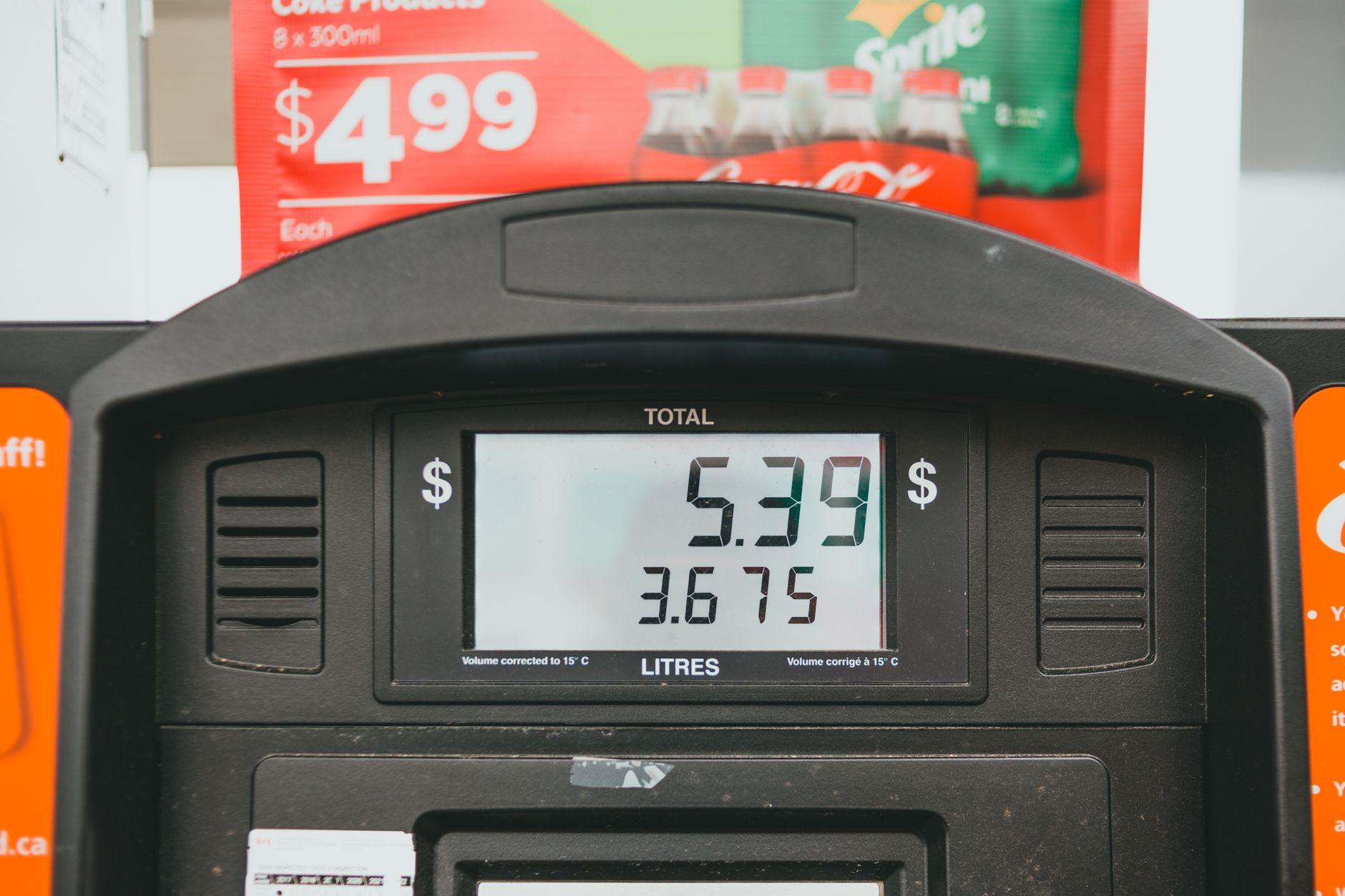
gas prices drop has taken the spotlight as they experience the biggest decline in three weeks since 2008. This significant change is affecting consumers and the economy alike.
Understanding the Current Gas Price Trends
In recent weeks, gas prices have experienced a significant decline, marking the biggest drop since 2008. This trend has brought relief to consumers who have been grappling with rising fuel costs in the past year.
Several factors contribute to the current gas price trends:
- Global Oil Supply: An increase in oil production from major exporters has led to a surplus in the market.
- Decreased Demand: Economic uncertainties and seasonal changes have reduced the demand for fuel, especially as travel patterns shift.
- Refinery Operations: Improved efficiency and fewer outages at refineries have boosted gasoline availability.
As a result of these dynamics, consumers are seeing prices at the pump drop significantly. Analysts predict that if current trends continue, gas prices may stabilize at lower levels, potentially benefiting the economy and easing financial burdens for many households.
Overall, the recent gas prices drop is a welcome development, inspiring hope for further reductions in the near future.
What Caused the Recent Drop in Gas Prices?
The recent drop in gas prices can be attributed to several key factors that have significantly influenced the market. Analysts indicate that a combination of increased oil supply and reduced demand has led to this notable decline.
One of the primary reasons for the decrease is the surge in crude oil production, particularly from the United States. The country has ramped up its output, contributing to a global oversupply. Additionally, OPEC has also been cautious in managing its production levels, seeking to stabilize the market.
Another major factor is the ongoing economic uncertainty, which has led to a decrease in consumer demand. With inflation affecting households, many have cut back on travel and discretionary spending, resulting in lower fuel consumption.
Furthermore, seasonal changes typically influence gas prices. As summer travel comes to an end, demand naturally declines, allowing prices to drop further. Overall, these elements have combined to create the largest drop in gas prices seen since 2008, bringing relief to consumers.
Gas Prices Drop: Historical Context
The recent decline in gas prices marks a significant moment in economic history, echoing patterns seen during previous periods of volatility. The last time we witnessed gas prices drop this dramatically was in 2008, a year characterized by sharp fluctuations in energy costs driven by global events.
During that time, factors such as economic recession, reduced demand, and changes in crude oil supply played crucial roles. As consumers faced rising prices at the pump, many adjusted their spending habits, leading to a ripple effect across various industries.
Fast forward to today, the current drop signifies a shift in demand dynamics as well as a response to geopolitical tensions. Historically, such downturns in gas prices often provide temporary relief to consumers but can also signal underlying economic concerns.
In this context, understanding the broader implications of these price changes is essential. As we observe gas prices drop, it remains to be seen how these fluctuations will influence both consumer behavior and the overall economy in the coming months.
Impact of Gas Prices on Consumer Behavior
The recent drop in gas prices has significantly altered consumer behavior across the country. As prices decline, many individuals are reassessing their spending habits and making adjustments to their budgets. A lower cost at the pump often leads to increased disposable income, allowing consumers to allocate funds towards other essential needs or leisure activities.
Several trends have emerged as a result of this shift:
- Increased Travel: With gas prices dropping, many families are planning road trips and vacations, taking advantage of the affordability to explore new destinations.
- Boost in Local Businesses: As consumers save on fuel, they are more likely to spend at local restaurants and shops, stimulating the economy in their communities.
- Shift to Larger Vehicles: A decrease in gas prices often encourages the purchase of larger, less fuel-efficient vehicles, as consumers feel more comfortable with increased fuel costs.
Overall, the recent decline in gas prices has encouraged a more optimistic consumer sentiment, potentially paving the way for broader economic growth.
Future Predictions for Fuel Costs
As gas prices drop to their lowest levels in years, analysts are turning their attention to future predictions for fuel costs. Several factors are expected to influence price trends in the coming months, including global oil supply dynamics and the ongoing geopolitical landscape.
Experts suggest that while the recent decline is significant, it may not be a permanent trend. The following points highlight potential influences on future gas prices:
- OPEC Decisions: The Organization of the Petroleum Exporting Countries (OPEC) frequently adjusts production levels, which can directly impact gas prices.
- Seasonal Demand: As summer approaches, an increase in travel may elevate demand for fuel, potentially pushing prices higher.
- Economic Recovery: A rebound in economic activities post-pandemic could lead to increased consumption and strain on supply.
- Alternative Energy Sources: The growing shift towards renewable energy may also affect long-term gas prices as consumers seek more sustainable options.
In summary, while the current situation appears favorable, future gas prices remain uncertain and will depend on various evolving factors.
Expert Opinions on the Gas Market
Experts are weighing in on the recent trend as gas prices drop significantly, marking the biggest decline since 2008. Analysts attribute this shift to a combination of factors that have stabilized the market and eased consumer concerns.
According to energy analyst Jane Roberts, “The decrease in gas prices is largely due to increased production and lower demand as people adjust to economic uncertainties.” She emphasizes that while the current drop is encouraging, it remains vital for consumers to remain cautious.
Mark Thompson, a market researcher, adds, “This is a unique moment in the gas market. If prices continue to fall, we could see shifts in consumer behavior, leading to increased travel and spending.” However, he warns that geopolitical tensions could quickly reverse these gains.
In summary, while the drop in gas prices is a welcome relief for many, experts advise monitoring global events that could impact future pricing trends.
As consumers celebrate the news, experts predict that gas prices drop could lead to increased spending in other sectors of the economy. This significant decline in fuel costs may also influence travel plans for many families as gas prices drop further.
Photo by Erik Mclean on Pexels
Read the original
Honda City Civic Discounts: Quick Proven Savings · 2027 Omoda C7 launch: Best Price and Features Revealed · GTA VI launch night is a Proven Data Record Breaker





