
Polio Vaccination Campaign: Proven Steps for a Healthier Future
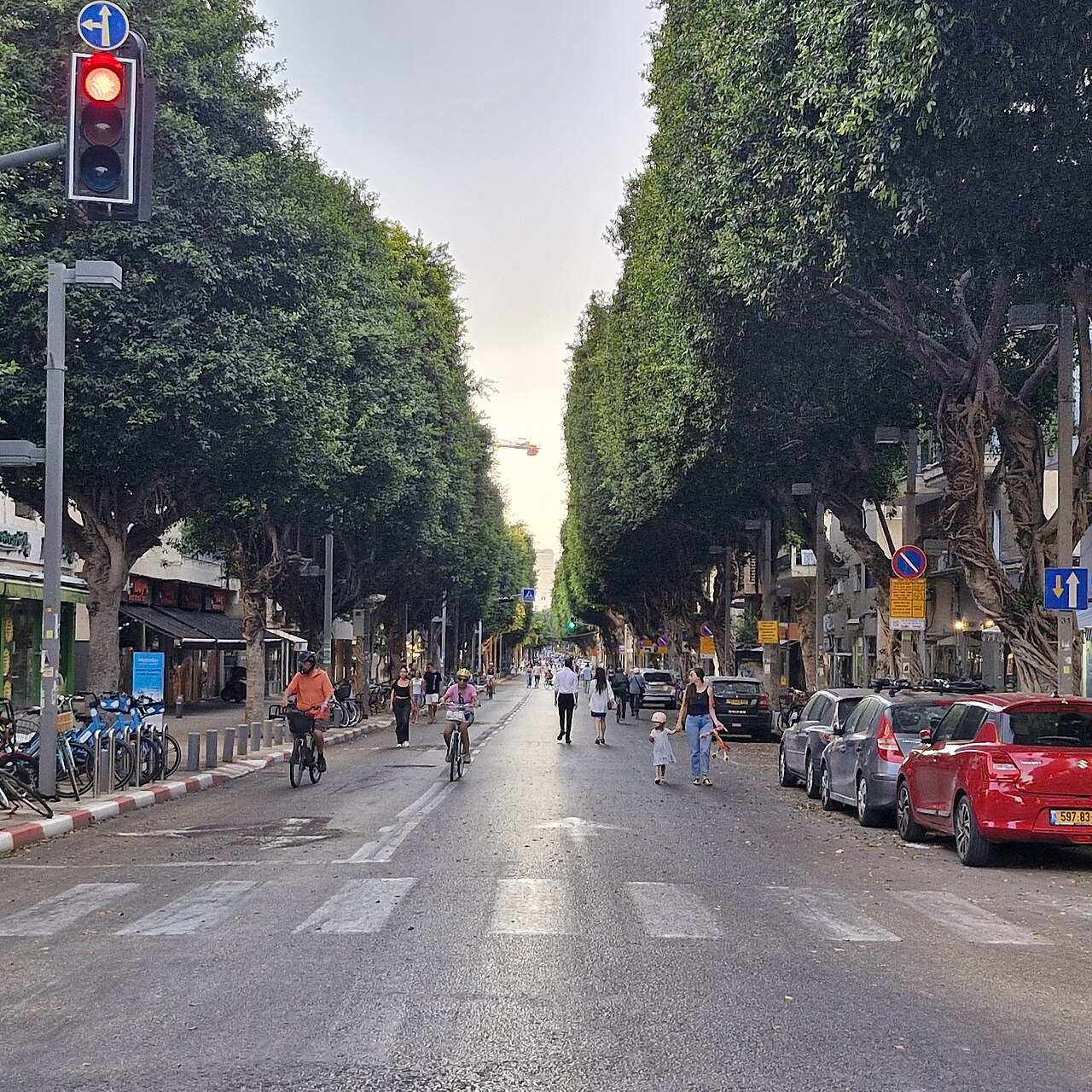
The polio vaccination campaign is gaining momentum as Rotarians launch their initiative at Car Free Day. This effort aims to protect communities from the threat of polio and ensure a healthier future for all.
Overview of the Polio Vaccination Campaign
The recent polio vaccination campaign launched by local Rotarians has gained significant attention during the Car Free Day event. This initiative aims to ensure that every child is protected from the debilitating effects of polio, a disease that can lead to permanent disability.
Community members gathered to support this vital cause, emphasizing the importance of immunization in promoting public health. The campaign not only raises awareness but also encourages participation from families in the region.
Key elements of the polio vaccination campaign include:
- Free vaccinations: Ensuring access for all children.
- Education: Informing families about the benefits of vaccination.
- Community involvement: Engaging local leaders and volunteers to spread the message.
Through these efforts, the campaign aims to eradicate polio and create a healthier future for all.
Importance of Vaccination in Communities
The importance of vaccination in communities cannot be overstated, especially in light of recent public health initiatives. The polio vaccination campaign plays a crucial role in safeguarding the health of children and preventing the resurgence of this debilitating disease.
Vaccination not only protects individuals but also contributes to herd immunity, which is essential for the well-being of entire communities. When a significant portion of the population is vaccinated, it reduces the spread of the virus, ultimately protecting those who cannot be vaccinated due to medical reasons.
Furthermore, these campaigns foster awareness and education about the benefits of immunization. Communities that actively participate in vaccination efforts often see:
- Improved public health outcomes
- Increased trust in healthcare systems
- Stronger community bonds through collective action
How Rotarians are Involved
The role of Rotarians in the polio vaccination campaign has been pivotal in enhancing community health initiatives. Through their dedicated efforts, they have mobilized resources and volunteers to ensure vaccine accessibility in underserved areas.
Key contributions from Rotarians include:
- Awareness Campaigns: Organizing events to educate the public about the importance of polio vaccinations.
- Logistical Support: Assisting in the distribution of vaccines across various regions.
- Volunteer Mobilization: Recruiting and training local volunteers to help with vaccination efforts.
With each campaign, Rotarians demonstrate their unwavering commitment to eradicating polio, emphasizing that community involvement is crucial for a healthier future.
Impact of Car Free Day on Health Initiatives
The recent Car Free Day event served as a significant platform for health initiatives, particularly the polio vaccination campaign. With community members gathered to promote healthy living, the campaign gained visibility and support. The day highlighted the importance of accessible healthcare services, showing how public gatherings can foster awareness and participation in vaccination efforts.
During the event, attendees were encouraged to engage with local health professionals and learn about the benefits of the polio vaccination campaign. This initiative not only aims to eradicate polio but also strengthens community health systems.
Moreover, the enthusiasm displayed by participants underscores the potential of collaborative events in shaping healthier futures. The synergy between community engagement and health advocacy is crucial in ensuring that vaccination efforts reach every corner of society.
Statistics on Polio Vaccination
The polio vaccination campaign has made significant strides in recent years, contributing to a notable decrease in polio cases worldwide. According to the World Health Organization, the global incidence of polio has dropped by over 99% since the campaign began in the late 20th century.
In 2022, only 6 countries reported new cases, highlighting the effectiveness of vaccination efforts. Furthermore, the campaign has successfully immunized more than 2 billion children globally, ensuring their protection against this debilitating disease.
Community engagement plays a vital role in these statistics, as local health workers and volunteers collaborate to reach underserved populations. The polio vaccination campaign not only aims to eradicate polio but also strengthens healthcare systems, making immunization a priority across communities.
Community Reactions to the Campaign
Community reactions to the polio vaccination campaign have been overwhelmingly positive, with many residents expressing gratitude for the efforts to eradicate the disease. Local leaders have emphasized the importance of vaccination in ensuring a healthier future for children.
Many families have taken to social media to share their experiences, highlighting the ease of access to vaccination sites and the dedication of volunteers. Maria Nkusi, a parent from the region, stated, “It’s reassuring to see our community come together for such an important cause.”
In addition, community gatherings have been organized to educate residents about the significance of the campaign and to dispel myths surrounding vaccinations. “Awareness is key,” said community organizer Jean-Claude Uwase. “We want everyone to understand the benefits of the polio vaccination campaign.”
Future Steps for Polio Eradication
The ongoing polio vaccination campaign has laid a strong foundation for future eradication efforts. Continued collaboration among health organizations, governments, and local communities is essential to maintain momentum and address remaining challenges.
Key steps for future eradication include:
- Enhancing Awareness: Educating communities about the importance of vaccination can drive higher participation rates.
- Strengthening Infrastructure: Improving healthcare facilities and supply chains ensures that vaccines are readily available.
- Monitoring and Surveillance: Establishing robust monitoring systems will help identify and respond to outbreaks swiftly.
- Engaging Local Leaders: Involving trusted community figures can foster trust and encourage vaccination uptake.
By implementing these strategies, stakeholders can work together towards a polio-free future for all.
via Wikimedia Commons





