
Is CAR-T Cell Therapy the Best Proven Treatment Option?
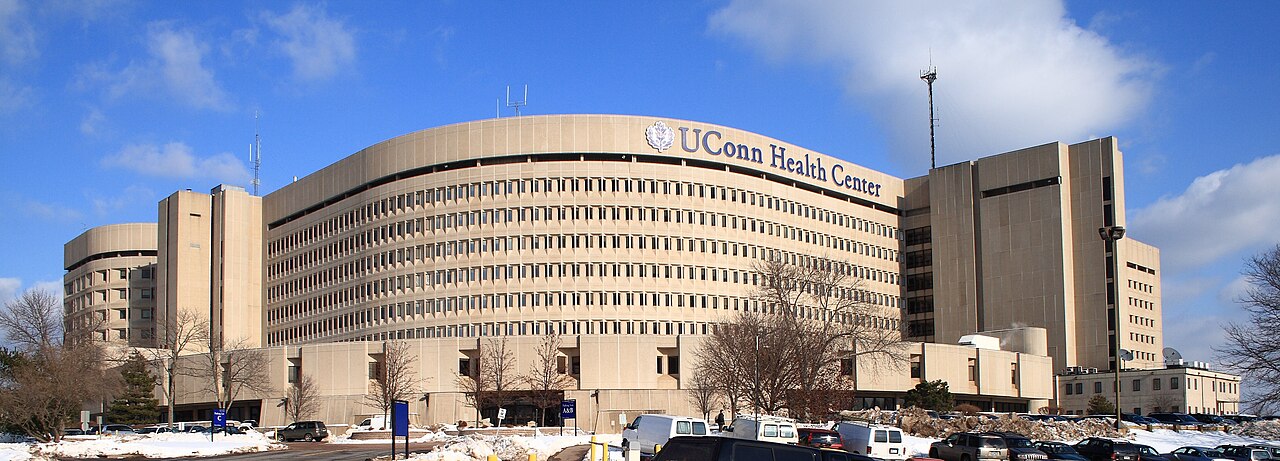
CAR-T cell therapy is transforming cancer treatment at UConn Health. This innovative approach harnesses the power of the immune system to target and eliminate cancer cells effectively.
What is CAR-T Cell Therapy?
CAR-T cell therapy is an innovative treatment that harnesses the power of the patient’s own immune system to fight cancer. This therapy involves the extraction of T cells, a type of white blood cell, from the patient’s blood. These cells are then genetically modified in a laboratory setting to enhance their ability to recognize and attack cancer cells effectively.
After the T cells are modified, they are multiplied to create millions of new cells before being infused back into the patient’s bloodstream. This process helps to create a powerful army of immune cells specifically targeting the cancer. The therapy is particularly effective for certain types of blood cancers, such as:
- Acute lymphoblastic leukemia (ALL)
- Diffuse large B-cell lymphoma (DLBCL)
- Chronic lymphocytic leukemia (CLL)
CAR-T cell therapy has shown remarkable success, leading to complete remission in some patients who have not responded to traditional treatments. The therapy is not without its challenges, as some patients may experience severe side effects, including cytokine release syndrome and neurological effects. However, ongoing research and clinical trials continue to improve the safety and efficacy of CAR-T cell therapy, making it a focal point in cancer treatment advancements.
How Does CAR-T Cell Therapy Work?
CAR-T cell therapy is a groundbreaking treatment that harnesses the body’s immune system to fight cancer. The process begins with the collection of a patient’s T cells, which are a type of white blood cell crucial for immune response. These cells are extracted through a simple procedure known as leukapheresis.
Once collected, the T cells are sent to a laboratory where they are genetically modified to express a chimeric antigen receptor (CAR). This receptor enables the T cells to recognize and attack cancer cells more effectively. The modification is accomplished using a viral vector that introduces the CAR genes into the T cells. After a period of expansion in the lab, the enhanced T cells are ready to be infused back into the patient.
Upon reintroduction into the body, these engineered CAR-T cells seek out and bind to specific proteins on the surface of cancer cells. Once bound, the CAR-T cells are activated to proliferate and destroy the cancerous cells. This targeted approach allows CAR-T cell therapy to be particularly effective in certain types of blood cancers, such as leukemia and lymphoma.
In summary, CAR-T cell therapy represents a novel and personalized approach to cancer treatment, providing hope for patients who may not have responded to traditional therapies.
Benefits of CAR-T Cell Therapy
CAR-T cell therapy has emerged as a groundbreaking treatment option for certain types of cancers, offering several notable benefits that set it apart from traditional therapies.
- Personalized Treatment: CAR-T cell therapy is tailored to each patient, utilizing their own immune cells. This customization enhances the likelihood of a successful response against cancer.
- Durable Remission: Many patients experience long-lasting remission after receiving CAR-T cell therapy, significantly improving their quality of life compared to conventional treatments.
- Targeted Approach: The therapy specifically targets cancer cells while sparing healthy cells, leading to fewer side effects and a reduced risk of damage to normal tissues.
- Transformative Outcomes: In clinical trials, CAR-T cell therapy has shown remarkable efficacy in treating refractory hematological malignancies, where other treatments have failed.
- Innovative Research: Ongoing advancements in CAR-T cell therapy continue to broaden its applicability, with research exploring its effectiveness against solid tumors and other diseases.
As UConn Health launches its CAR-T cell therapy program, these benefits underscore the potential of this innovative treatment to transform cancer care and provide hope to patients facing challenging diagnoses.
UConn Health’s New CAR-T Program
UConn Health has recently launched a pioneering CAR-T cell therapy program, positioning itself at the forefront of innovative cancer treatment. This new initiative aims to provide patients with access to cutting-edge therapies that harness the power of the immune system to fight cancer more effectively.
The program offers several key features:
- Expert Team: A multidisciplinary team of specialists, including oncologists, immunologists, and researchers, is dedicated to the successful implementation of CAR-T cell therapy.
- Personalized Treatment: Each patient’s treatment plan is tailored to their specific needs, ensuring a more targeted approach that enhances the efficacy of CAR-T cell therapy.
- Comprehensive Support: UConn Health provides holistic care, including psychological support and follow-up services, to help patients navigate their treatment journey.
As CAR-T cell therapy continues to demonstrate significant potential in treating certain types of blood cancers, UConn Health’s program aims to make this transformative treatment more accessible. The hospital is committed to ongoing research and development to enhance patient outcomes and expand the range of cancers treated with CAR-T cell therapy.
This initiative highlights UConn Health’s dedication to advancing cancer care and improving the lives of patients facing challenging diagnoses.
Patient Success Stories with CAR-T Therapy
Patient success stories highlight the transformative potential of CAR-T cell therapy in the fight against certain types of cancer. Many patients who previously faced limited treatment options have experienced remarkable recoveries and improved quality of life.
One such success story is that of Sarah Thompson, a 32-year-old mother diagnosed with aggressive B-cell lymphoma. After undergoing traditional treatments with little success, Sarah was enrolled in a CAR-T cell therapy program. Within weeks, her oncologist reported significant tumor reduction, and today, Sarah is in remission, enjoying time with her family.
Another inspiring case is James Patel, a 45-year-old who battled relapsed multiple myeloma. Following CAR-T therapy, James not only experienced a dramatic decrease in his cancer markers but also regained his strength and vitality. He credits the therapy for allowing him to return to work and pursue his passions.
These stories are not isolated; they reflect a growing number of patients who have found hope through CAR-T cell therapy. As research continues and programs like UConn Health’s new CAR-T initiative expand, more patients may have access to this groundbreaking treatment that offers a chance at life where other options have failed.
Such success stories underscore the potential of CAR-T cell therapy as a viable and effective treatment option for cancer patients seeking new hope.
via Wikimedia Commons





