
Is the flying Roadster car the best new Tesla innovation?
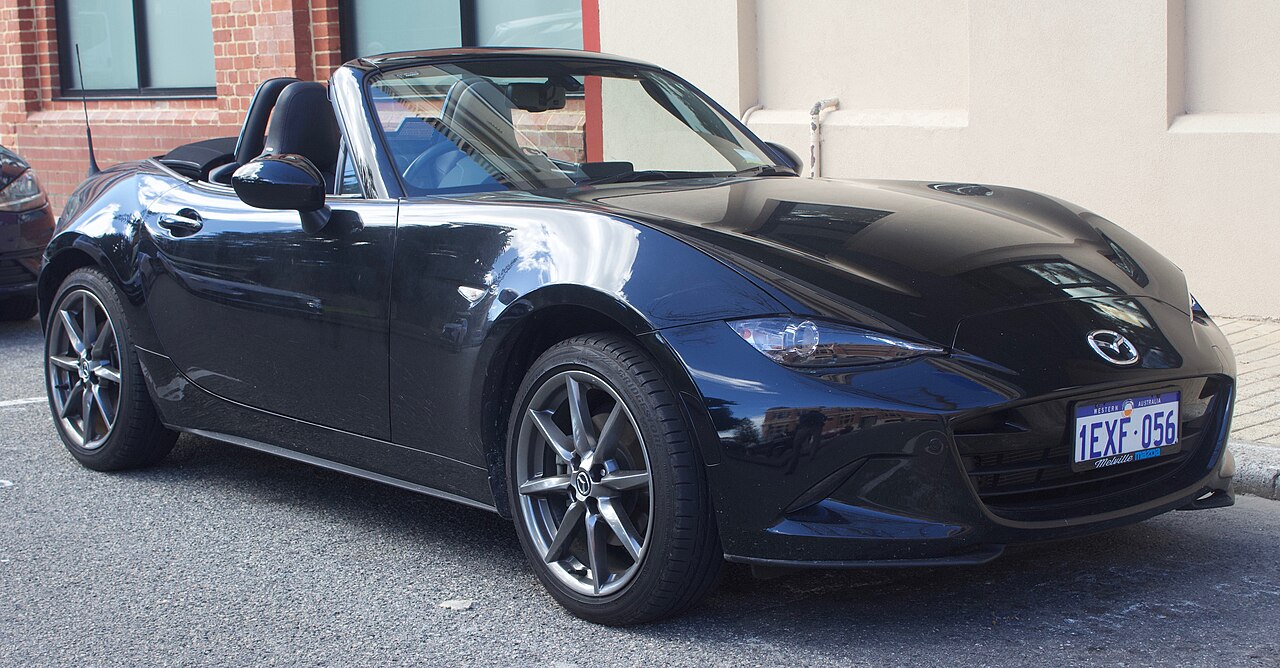
The flying Roadster car is Tesla’s latest groundbreaking innovation, showcasing the company’s commitment to pushing automotive boundaries.
What makes the flying Roadster car unique?
The newly unveiled flying Roadster car from Tesla has captured the attention of automotive enthusiasts and tech aficionados alike. This innovative vehicle combines cutting-edge technology with sleek design, making it a standout in the electric vehicle market.
Several features set the flying Roadster car apart from traditional models:
- Aerodynamic Design: The sleek contours not only enhance its appearance but also improve performance and efficiency.
- Advanced Propulsion System: Incorporating Tesla’s latest electric motor technology, it promises unparalleled speed and acceleration.
- Vertical Takeoff Capabilities: The ability to take off and land vertically opens up new possibilities for urban transportation.
- Smart Navigation: Integrated AI systems provide real-time data for optimal routing and safety.
- Eco-Friendly Materials: Tesla emphasizes sustainability by using recycled and renewable materials in its construction.
With these groundbreaking features, the flying Roadster car redefines what is possible in the automotive landscape, sparking excitement for its potential impact on the future of transportation.
Tesla’s vision for the future of transportation
Tesla’s vision for the future of transportation is becoming increasingly ambitious, with innovations that challenge the boundaries of conventional vehicles. The introduction of the flying Roadster car represents a significant leap into a new era of personal mobility. This futuristic vehicle is designed to merge cutting-edge technology with high-performance driving.
At the heart of Tesla’s vision is a commitment to sustainability and efficiency. The company aims to reduce carbon emissions while providing exhilarating driving experiences. The flying Roadster car exemplifies this ethos by incorporating advanced aerodynamics and electric propulsion systems.
Additionally, Tesla is focused on enhancing the user experience through smart technology. Features like autonomous flight capabilities and integrated AI systems aim to revolutionize how people interact with their vehicles. This could lead to safer, more efficient travel, allowing drivers to focus on their destinations rather than the journey itself.
With the flying Roadster car, Tesla is not just creating a new automobile; it is redefining the concept of transportation, paving the way for a future where flying cars are an everyday reality.
Key features of the flying Roadster car
The new flying Roadster car from Tesla boasts several key features that set it apart from traditional vehicles. Designed with cutting-edge technology, it promises to redefine personal transportation.
- Vertical Takeoff and Landing (VTOL): One of the most exciting aspects of the flying Roadster car is its ability to take off and land vertically, making it suitable for urban environments with limited space.
- Electric Propulsion: Powered by Tesla’s advanced electric engines, the flying Roadster car offers an eco-friendly alternative to conventional aircraft.
- Autonomous Navigation: Equipped with state-of-the-art AI, the vehicle can navigate autonomously, ensuring safety and efficiency during flight.
- Luxury Design: True to Tesla’s reputation, the flying Roadster car features a sleek, aerodynamic design, combining functionality with style.
- Rapid Acceleration: The vehicle can achieve remarkable speeds both on the ground and in the air, providing an exhilarating experience for drivers and passengers alike.
These innovative features position the flying Roadster car as a potential game-changer in the automotive industry, blending high performance with futuristic capabilities.
How does the flying Roadster car perform?
The performance of the flying Roadster car sets a new benchmark for electric vehicles. With its cutting-edge technology, this innovative vehicle combines speed, agility, and advanced aerodynamics to deliver an unparalleled driving experience.
One of the standout features is its remarkable acceleration. The flying Roadster car can go from 0 to 60 mph in just over 1.9 seconds, making it one of the fastest cars on the market. This rapid acceleration is complemented by its ability to transition into flight mode seamlessly, allowing users to soar above traffic with ease.
In addition to speed, the flying Roadster car boasts an impressive range. With up to 620 miles on a single charge, it ensures that drivers can embark on long journeys without the worry of frequent recharging. The vehicle’s dual electric motors provide all-wheel drive, enhancing handling and stability whether on the road or in the air.
Moreover, advanced safety features, including collision avoidance systems and autopilot capabilities, make the flying Roadster car not only a thrilling ride but also a secure mode of transportation.
Public reaction to the flying Roadster car
The public reaction to the flying Roadster car has been a mix of excitement and skepticism. Many enthusiasts are eager to embrace this revolutionary innovation, while some remain cautious about its practicality and safety. Social media platforms have been flooded with opinions and discussions surrounding the vehicle’s potential impact on transportation.
- Enthusiastic Support: Many fans of Tesla herald the flying Roadster car as a significant leap forward in automotive technology, praising its futuristic design and advanced capabilities. They see it as a symbol of innovation and a bold step toward a new era of personal transport.
- Concerns About Feasibility: Critics, however, question whether the flying aspect of the Roadster car is realistic for everyday use. Concerns about regulatory hurdles, airspace management, and potential accidents have been frequently raised, suggesting that widespread adoption may face significant challenges.
- Curiosity and Speculation: The unique concept has sparked curiosity among tech enthusiasts and automotive experts alike, leading to speculation regarding its price point and availability. Many are eager to see how Tesla will address these concerns and integrate the flying features into their existing lineup.
As the launch date approaches, it will be interesting to see how public sentiment evolves regarding the flying Roadster car.
Comparing the flying Roadster car to traditional models
As the automotive industry evolves, the introduction of the flying Roadster car marks a significant departure from traditional models. Unlike standard vehicles that rely solely on roads, this innovative design integrates aerial capabilities, offering a new dimension of travel.
When comparing the flying Roadster car to conventional cars, several key differences emerge:
- Mobility: The flying Roadster car can effortlessly transition from ground to air, providing unparalleled flexibility in navigation.
- Speed: With its advanced propulsion system, the flying Roadster car is engineered for rapid acceleration, far surpassing typical road cars.
- Safety: Enhanced safety features, including automated navigation and collision avoidance, set the flying Roadster car apart from traditional vehicles.
- Environmental Impact: Tesla’s commitment to sustainability ensures that the flying Roadster car operates with minimal emissions, contrasting with many gasoline-powered models.
While traditional vehicles remain a staple in the automotive market, the flying Roadster car represents a bold leap forward, embodying Tesla’s vision for a future where transportation is not limited by the constraints of roads.
The technology behind the flying Roadster car
The technology behind the flying Roadster car represents a significant leap in automotive design and engineering. This innovative vehicle combines advanced aerodynamics with cutting-edge propulsion systems to achieve its remarkable flight capabilities.
At the core of the flying Roadster car’s technology are several key components:
- Vertical Takeoff and Landing (VTOL): Utilizing rotor systems, the flying Roadster car can ascend and descend vertically, making it suitable for urban environments.
- Electric Propulsion: Powered by Tesla’s state-of-the-art electric motors, the car ensures an environmentally friendly flight experience without compromising speed or efficiency.
- Autonomous Navigation: Equipped with advanced AI, the flying Roadster car can navigate complex airspaces, avoiding obstacles and optimizing flight paths.
- Lightweight Materials: The use of composite materials not only enhances performance but also improves fuel efficiency, allowing longer flight durations.
By integrating these technologies, the flying Roadster car positions itself as a frontrunner in the future of personal transportation, merging driving and flying into a single exhilarating experience.
Future implications of flying cars in the automotive industry
The advent of the flying Roadster car could revolutionize the automotive industry in ways previously thought to be science fiction. As urban areas become increasingly congested, the need for innovative solutions to transportation challenges grows. The flying Roadster car presents a viable alternative to traditional ground vehicles, potentially alleviating traffic issues by utilizing airspace for travel.
Several implications arise from the introduction of flying cars, including:
- Regulatory challenges: Governments will need to establish new regulations and air traffic control systems to ensure the safety and efficiency of flying vehicles.
- Infrastructure changes: Urban planning will need to adapt, with designated landing zones and charging stations for flying Roadster cars becoming essential components of city layouts.
- Environmental impact: If powered by sustainable energy sources, flying cars could significantly reduce carbon footprints compared to traditional gasoline-powered vehicles.
- Market competition: The successful launch of the flying Roadster car may inspire other automakers to invest in flying technology, leading to increased competition and innovation.
As the flying Roadster car paves the way for the future, it raises questions about how we will navigate our cities and redefine personal transportation.
via Wikimedia Commons





