
GHK-Cu Research Explained: From Molecular Structure to Biological Activity
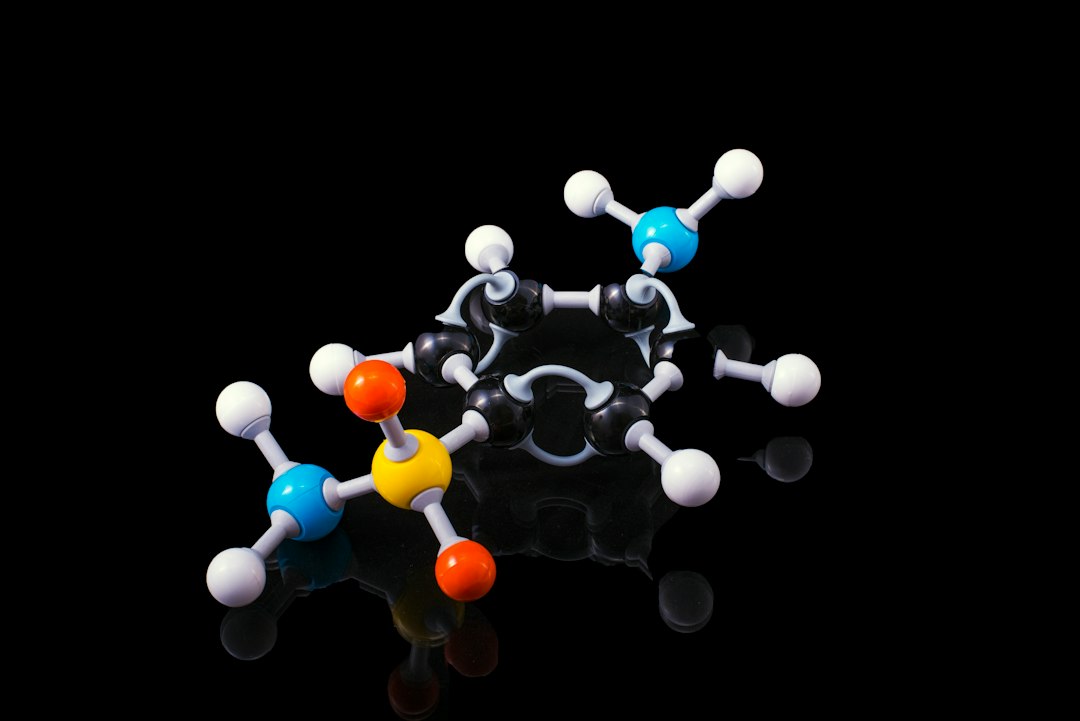
How can a small peptide become the focus of extensive scientific research? The answer often lies in the way its molecular structure interacts with biological systems. ghk cu has received scientific interest because the GHK peptide can bind copper, forming a biologically relevant complex that researchers have examined in relation to cellular signaling, tissue biology, and extracellular matrix processes. Its study demonstrates how molecular structure can provide clues about biological activity.
In This Article
- What is GHK in biological research?
- How does copper interact with GHK?
- Why are cellular pathways important in GHK-Cu research?
- What is the extracellular matrix?
- Has GHK-Cu been investigated in skin biology?
- What about inflammation and oxidative processes?
- How should research findings be evaluated?
- Why is GHK-Cu still being studied?
- What does current scientific understanding suggest?
What is GHK in biological research?
GHK is a naturally occurring tripeptide made from glycine, histidine, and lysine. Tripeptides are composed of three amino acids, but their biological behavior depends on the chemical properties and arrangement of those components.
GHK has been identified in biological environments and has been studied for its interactions with copper. This relationship is central to understanding why GHK-Cu has become a topic within peptide research.
How does copper interact with GHK?
Copper can coordinate with molecules that contain suitable chemical groups. GHK has characteristics that allow it to bind copper, creating the complex commonly referred to as GHK-Cu.
This binding relationship is significant because metal coordination can affect the chemical behavior of a molecule. Scientists can study the resulting complex to understand its stability, interactions, and potential role in biological environments.
Why are cellular pathways important in GHK-Cu research?
Cells communicate through intricate networks of molecular signals. Peptides and metal-containing complexes can interact with these networks in different ways, making them useful subjects for laboratory investigation.
Studies involving GHK-Cu have explored pathways connected with cellular activity, extracellular matrix regulation, and tissue-related processes. Such research helps scientists form hypotheses about how the molecule may behave within biological systems.
What is the extracellular matrix?
The extracellular matrix is a network of proteins and other molecules surrounding cells. It provides structural support while also contributing to communication between cells and their environment.
Because extracellular matrix components are closely connected with tissue organization, researchers have examined whether GHK-Cu can influence biological processes associated with this network. These studies have helped establish areas for further investigation.
Has GHK-Cu been investigated in skin biology?
Yes. Skin-related research is one of the most visible areas associated with GHK-Cu. Experimental studies have examined processes involving fibroblasts, extracellular matrix components, and tissue responses.
Fibroblasts are important cells within connective tissue because they contribute to the production and organization of structural proteins. Investigating how these cells respond to particular molecular signals can help researchers better understand tissue biology.
What about inflammation and oxidative processes?
Researchers have also explored GHK-Cu in relation to pathways involved in inflammatory signaling and oxidative stress. These areas are complex because they involve many interacting biological mechanisms.
Laboratory findings can help identify possible molecular relationships, but they should not be interpreted as definitive evidence of a particular therapeutic effect.
How should research findings be evaluated?
The strongest interpretation comes from considering the complete evidence base. Cell experiments, animal studies, biochemical research, and controlled human studies answer different questions. A result from one research model does not automatically establish an equivalent result in another.
Readers should therefore distinguish between demonstrated molecular activity, experimental observations, and confirmed human outcomes.
Why is GHK-Cu still being studied?
GHK-Cu remains scientifically interesting because it sits at the intersection of peptide biology and copper chemistry. Its defined structure makes it suitable for controlled investigation, while its interaction with biological pathways provides multiple research directions.
What does current scientific understanding suggest?
The available research presents GHK-Cu as a biologically interesting copper-peptide complex rather than a simple cosmetic ingredient. Its molecular interactions and potential biological roles continue to provide subjects for laboratory investigation.
Understanding those fundamentals helps create a more balanced view of peptide science and encourages readers to distinguish established biochemical knowledge from claims that require further evidence.
What You Need to Know
- GHK is a naturally occurring tripeptide composed of glycine, histidine, and lysine, critical to its biological behavior.
- GHK can bind copper to form a complex known as GHK-Cu, which researchers study for its stability and interactions in biological systems.
- Research involving GHK-Cu explores cellular pathways related to cellular activity, extracellular matrix regulation, and tissue processes.
- The extracellular matrix is essential for providing structural support and communication between cells, and GHK-Cu may influence processes associated with it.
- GHK-Cu has been investigated in skin biology, particularly in relation to fibroblasts and tissue responses reliant on structural proteins.
- Current research suggests GHK-Cu is a biologically significant copper-peptide complex, warranting further exploration beyond its cosmetic applications.





